


Mitigating Risk to Protect Value: How the UK MoD Saved Millions Through Critical Electronics Recovery
In a time where electronic obsolescence is accelerating, supply chains are volatile, and lifecycle pressures are ever increasing, the shift from replacing to repairing can no longer be considered ‘just a cost-saving exercise’ but a strategic requirement. ABI Electronics, a UK-based manufacturer of advanced PCB diagnostic and reverse engineering systems, is proud to showcase the measurable impact of its long-standing partnership with the UK Ministry of Defence (MoD), working closely with National Armaments Director (NAD) and the Defence Electronics & Components Agency (Deca). Together, we are innovating how critical electronic assets could be sustained across naval, air, and land platforms, delivering substantial financial savings, restoring mission-critical systems, and extending equipment life far beyond original design intent.
From Reactive Replacement to Proactive Control
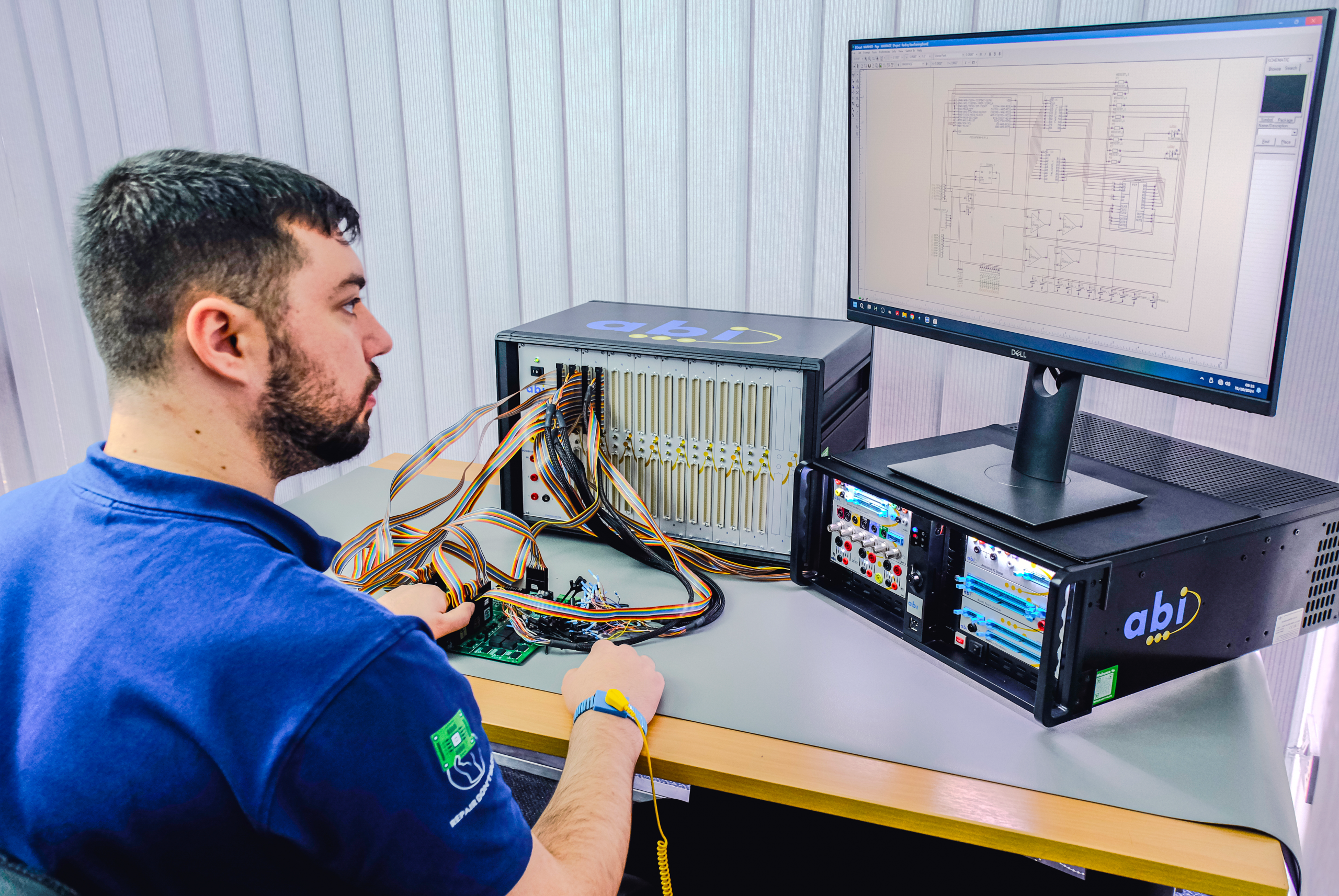
Modern defence platforms rely on increasingly complex electronic assemblies, which as they mature component availability tightens. The manufacturer often evolves with repair options becoming unavailable and the only traditional support choice is a taxpayer costly full replacement. The partnership between ABI and MoD demonstrates that there is an emerging path. By deploying ABI’s BoardMaster circuit board diagnostic platform alongside their RevEng reverse engineering system and collaborating with MoD DECA -an established structured, in-house capability arm of defence, this enables component-level diagnostics and technical data reconstruction to proactively tackle obsolescence. Across multiple high-value programmes, internal repair and reverse engineering new initiatives have now delivered cost reductions ranging from 94 to 99% compared with the traditional replacement strategies. The savings achieved run into the tens of millions of pounds while simultaneously preserving operational availability.

The Real-World Impacts
The collaboration has supported a wide range of mission-critical technologies in:
- Naval control electronics & support assemblies
- Aircraft electronics
- Helicopter electronics
In each case, component-level diagnostics, using the BoardMaster, enabled engineers to isolate and rectify faults typically where OEMs where unable to help. RevEng was then used to recreate missing or obsolete technical documentation, develop new test procedures, and generate complete support data packs for long-term sustainment. In several programmes, boards originally considered unrepairable were returned to service through innovations in technology using targeted component replacement and reliability improvements in a matter of days. Additionally, reverse engineering eliminated the need for costly architecture redesigns, allowing fleets to continue operating safely and effectively.
A Predictive Obsolescence Approach
One of the most progressive aspects of the ABI/MoD partnership is the contribution to electronic degradation analysis. While mechanical and energetic degradation models have long been understood, electronic degradation has historically been treated reactively by all countries. Through structured diagnostics and performance analytics, Deca is now moving towards more evidence-based modelling of component performance drift and ageing.
By combining historical design data, proxy degradation information, and real-time testing, programme managers can predict emerging failure points before they impact missions. Using the BoardMaster, engineers can identify underperforming components early, enabling preventive repair strategies rather than emergency interventions. This shift from reactive replacement to predictive electronic maintenance techniques is helping extend platform life beyond original design assumptions, providing options to costly “new buy” programmes, and strengthening long-term fleet readiness.
Dr Matt Darkin, Senior Specialist Fellow for Obsolescence at the UK MoD NAD, commented:
“The introduction of ABI’s BoardMaster and RevEng platforms within Defence Equipment & Support and Deca has fundamentally strengthened our approach to electronic obsolescence management. By enabling structured, component-level diagnostics and reverse engineering in-house, we have recovered high-value assets that would otherwise have been subject to costly redesign due to obsolescence or external repair routes. The scale of savings achieved across multiple programmes runs into the millions of pounds, but equally important is the preservation of technical knowledge and the protection of operational availability. This partnership has been instrumental in helping us extend platform life, improve sustainment resilience, and deliver measurable value to MoD.”

Beyond Defence Application
While this partnership is established in defence applications, the implications extend to other critical industries facing similar challenges. Energy infrastructure, rail networks, semiconductor manufacturing, and advanced automotive systems are all increasingly dependent on legacy electronic assemblies operating beyond their original operational life. The pressures of obsolescence, documentation loss, and supply chain delays are universal, and the ABI/MoD model demonstrates that in-house diagnostics, supported by reverse engineering and predictive analytics, can unlock drastic lifecycle extensions and cost saving advantages.
In today’s market, electronic sustainment should not be a technical afterthought but a pillar of operational sovereignty. The partnership between ABI Electronics and the UK Ministry of Defence proves that with the right tools, expertise, and leadership, even the most complex legacy electronics can be recovered, maintained, and protected for decades to come. For programme managers and engineers facing the mounting pressures of obsolesacence, this is compelling evidence that provides a golden opportunity for a major strategic overhaul.