


How structured FADEC diagnostics cut test time by more than 50% in aerospace MRO
Few electronic systems influence engine performance and airworthiness as directly as the Full Authority Digital Engine Control, better known as the FADEC. Installed on modern turbofan and turboprop engines, the FADEC manages fuel flow, start logic, thrust scheduling, engine protection, fault monitoring and communication with cockpit and aircraft systems. It processes sensor data continuously and keeps the engine operating safely within certified limits. For airlines, defence operators and MRO organisations, the FADEC is a high-value propulsion control asset. When it fails an airworthiness-related test, the impact is immediate: the unit is removed, aircraft availability is affected, and the maintenance team must confirm the fault quickly and with confidence.
The RTD diagnostic challenge
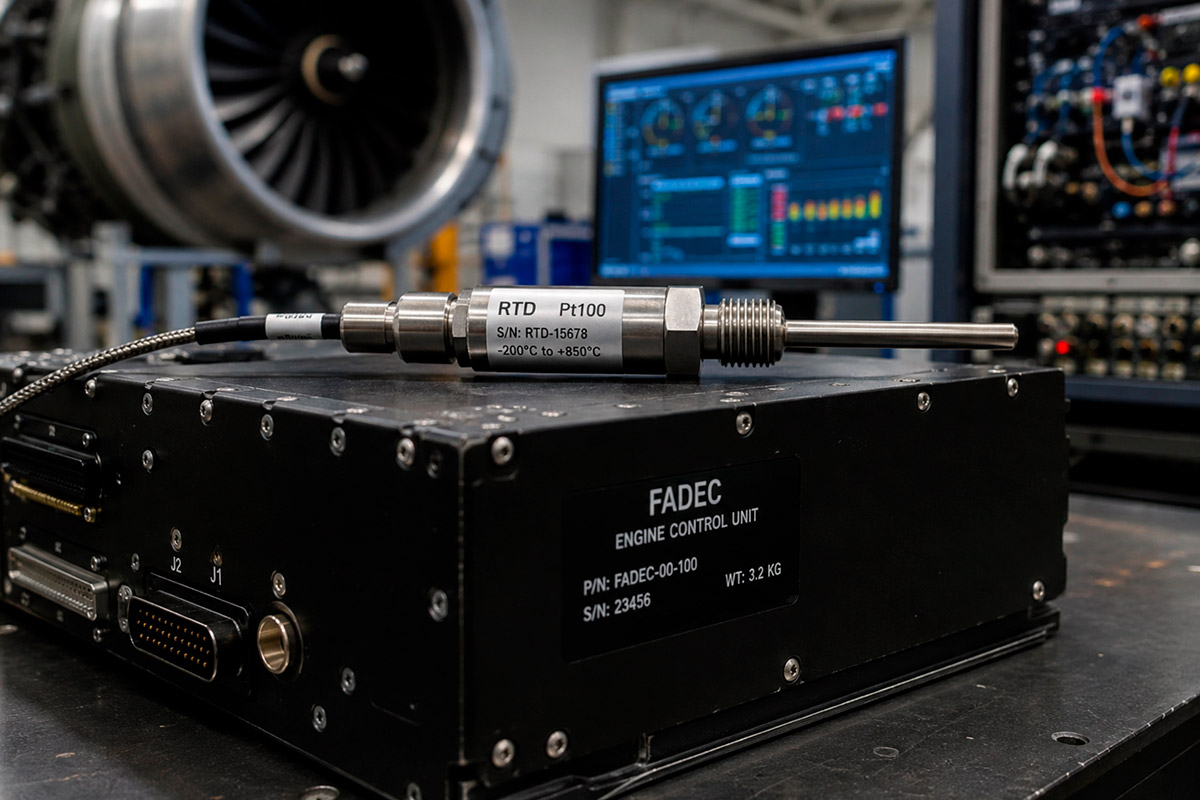
One critical function inside a FADEC is temperature measurement. This is where the RTD, or Resistance Temperature Detector, plays an important role. An RTD changes resistance predictably with temperature, allowing the FADEC to interpret thermal conditions and protect the engine from unsafe operating states. In this case, the aircraft’s onboard computer, which runs around 200 tests on the FADEC, flagged an RTD channel as faulty. The unit had to be removed and sent for deeper investigation at LRU level. The fault was traced to an RTD circuit containing 42 high-precision resistors, each within a 0.1% tolerance band. Historically, technicians tested these resistors one by one using standalone instruments and a known-good board for comparison. Results were recorded manually. The process worked, but it was slow, repetitive and open to variation between technicians. The real problem was not an obvious failure. It was drift. That matters in aerospace electronics. A component that moves slightly outside its expected value can be enough to trigger a fault, even when the board appears healthy. If the diagnostic process is not sensitive and repeatable, the result can become inconclusive, increasing the risk of No Fault Found.
Moving to a structured diagnostic process
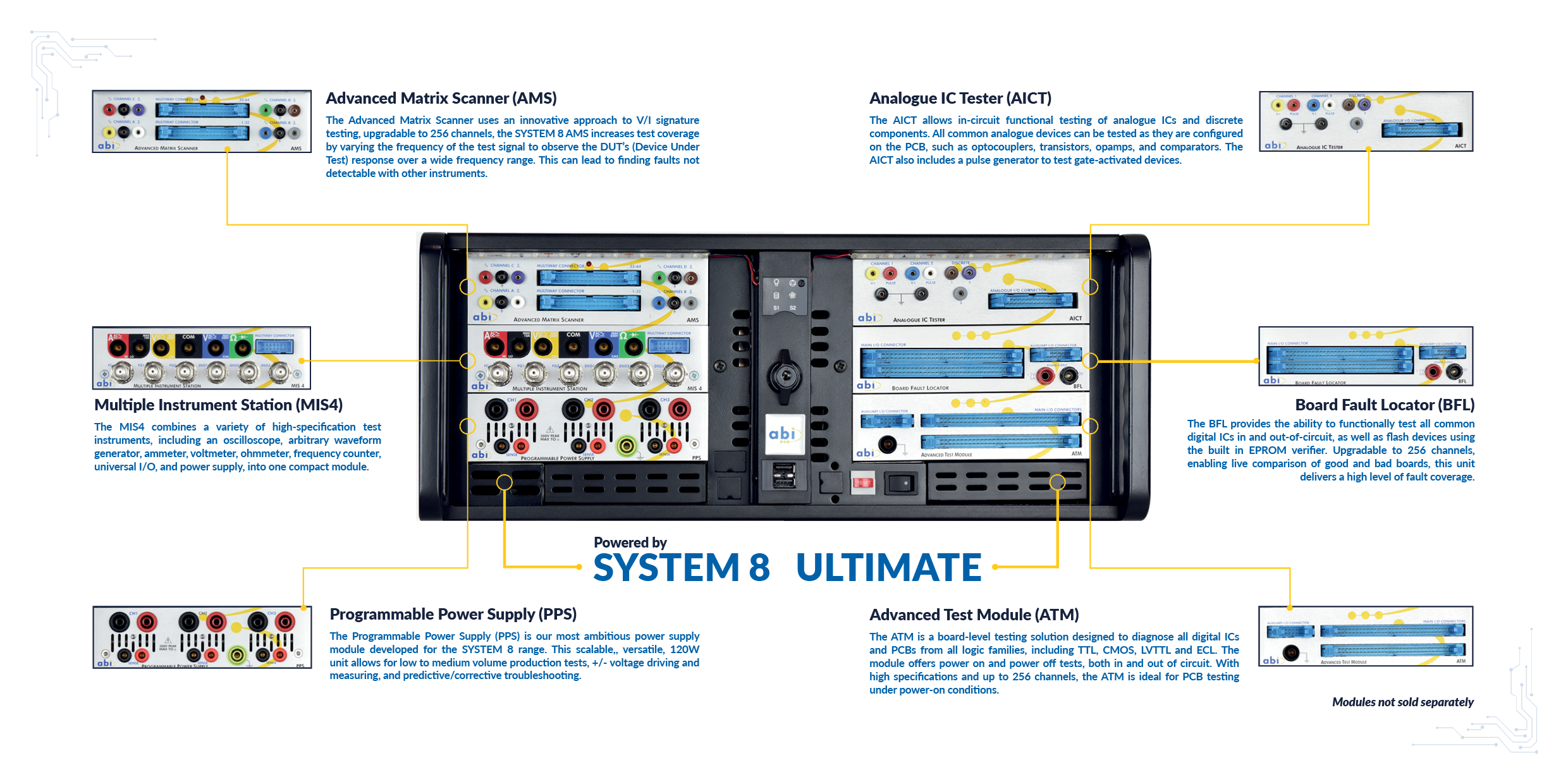
The repair team converted the RTD test into a dedicated diagnostic routine using ABI Electronics’ BoardMaster platform and TestFlow software. Instead of relying on manual checks and handwritten notes, the TestFlow guided technicians through a defined sequence. It included programmed measurement steps, target values, tolerances, visual instructions, pass/fail logic and structured reporting. This changed the nature of the task. The technician still made the engineering judgement, but the process became controlled, repeatable and easier to document. Each measurement was captured against defined criteria, creating a clearer route from symptom to conclusion.

The result
The RTD test stage was reduced by more than 50%. For a task that had previously required slow resistor-by-resistor checking, this was a significant improvement in turnaround time. Just as importantly, the team gained greater measurement confidence. The precision of the BoardMaster platform allowed subtle resistor drift to be assessed accurately within a tight-tolerance network.
As one member of the technical team put it:
“What changed the process for us was not only the speed. It was the clarity. The system is precise, easy to follow and removes a lot of uncertainty from a task that used to be tedious and manually intensive.”
The TestFlow also generated a TFL report, recording what was tested, the values obtained and how the final decision was reached. In aviation MRO, this traceability matters. Faster testing is valuable, but only when the result can be trusted, repeated and audited.
Why this matters for MRO
Many FADEC units remain in service for decades. The aircraft may still be operationally viable, but the electronics inside its control systems are ageing. Precision components drift, legacy devices become harder to source, and original support routes may become slower or less practical. This turns FADEC repair into a through-life support challenge. The question is not only whether a unit can be repaired today, but whether the organisation can keep diagnosing, repairing and proving that unit reliably for the next 10, 20 or 30 years. Structured board-level diagnostics help MRO teams reduce turnaround time, improve repeatability, lower No Fault Found risk and retain repair knowledge inside the organisation. A TestFlow developed in one location can also be shared across sites, helping global MRO operations standardise repair methods and protect technical knowledge.
This case is not only about one RTD circuit. It reflects a wider shift in aerospace maintenance. High-value airborne electronics rarely fail in only one way. Sometimes they fail dramatically, but often they age quietly. Tolerances move, components drift, and manual processes that once felt adequate become too slow or too dependent on individual experience. By introducing structured, software-led board diagnostics, the MRO team turned a slow manual RTD circuit assembly test into a faster, traceable and repeatable process. That is where repair becomes a practical way to protect capability, extend asset life and keep critical systems available for longer.